Effective garage organization ideas focus on maximizing vertical space through the use of pegboards, wall-mounted rails, and overhead racks to keep floors clear. By categorizing tools and utilizing DIY solutions like French cleats or magnetic strips, you can create a functional workshop without relying on bulky storage bins. This approach prioritizes accessibility and streamlined systems to ensure every item has a dedicated, easy-to-reach home.
Stepping into a cluttered garage often feels like navigating a warehouse of forgotten projects. You likely have plenty of plastic bins; yet, you still cannot find the specific tool you need when a project is mid-flow. At Anderson Shops, we believe a workspace should serve your craft rather than bury it. True organization is not about adding more containers; it is about engineering a layout that respects your movement and visibility. In this guide, we explore how to audit your tool usage and reclaim your floor space through sophisticated vertical integration. You will learn to build custom French cleat systems, optimize small footprints, and manage seasonal gear transitions unique to the Intermountain West. We are moving beyond temporary storage solutions to build a permanent, professional environment where your best work can finally take shape.
The Realities of Garage Organization: Why More Bins Aren't the Answer
Most garage organization projects begin with a trip to buy a stack of plastic bins. This is the bin trap. It feels like progress, but it often just moves the clutter from the floor into a semi-translucent box where it will be forgotten. Effective garage organization ideas focus on workflow rather than just containment.
At Anderson Shops, we believe organization should prioritize accessibility and utility over hiding items away. A shop should be judged by its utility, not its aesthetic. A truly functional garage is one where you can locate a 10mm wrench in under 30 seconds without digging through a lid-secured container. When tools are hidden, they are essentially lost, which leads to the frustration of repurchasing items you already own.
Common mistakes often stem from prioritizing looks over logic. Homeowners frequently invest in expensive, pre-built cabinet systems that offer fixed dimensions; these rarely accommodate the specific height of a circular saw or the depth of your quality tools and hardware. Over-categorization is another pitfall. If you create a system so complex that every single screw requires its own labeled micro-bin, you will likely spend more time sorting than building.
True efficiency comes from having your essential tools for homeowners and practical household essentials within arm's reach. The goal is a streamlined environment where the organization supports the work, rather than becoming a chore in itself. Before buying another container, evaluate if that container actually makes the tool easier to use or if it simply adds a layer of friction to your next project.
Audit Your Workflow: How to Categorize Tools for Real Use
The most effective garage organization ideas begin with a workflow audit. Instead of sorting strictly by brand or material, you should categorize your inventory based on the frequency of physical touch. This method ensures that your most valuable resource, your time, is not wasted searching for the items you use most often.
To establish a logical flow, group your quality tools and hardware into three distinct tiers based on how often they are required for a task:
Category | Tool Examples | Ideal Location |
|---|---|---|
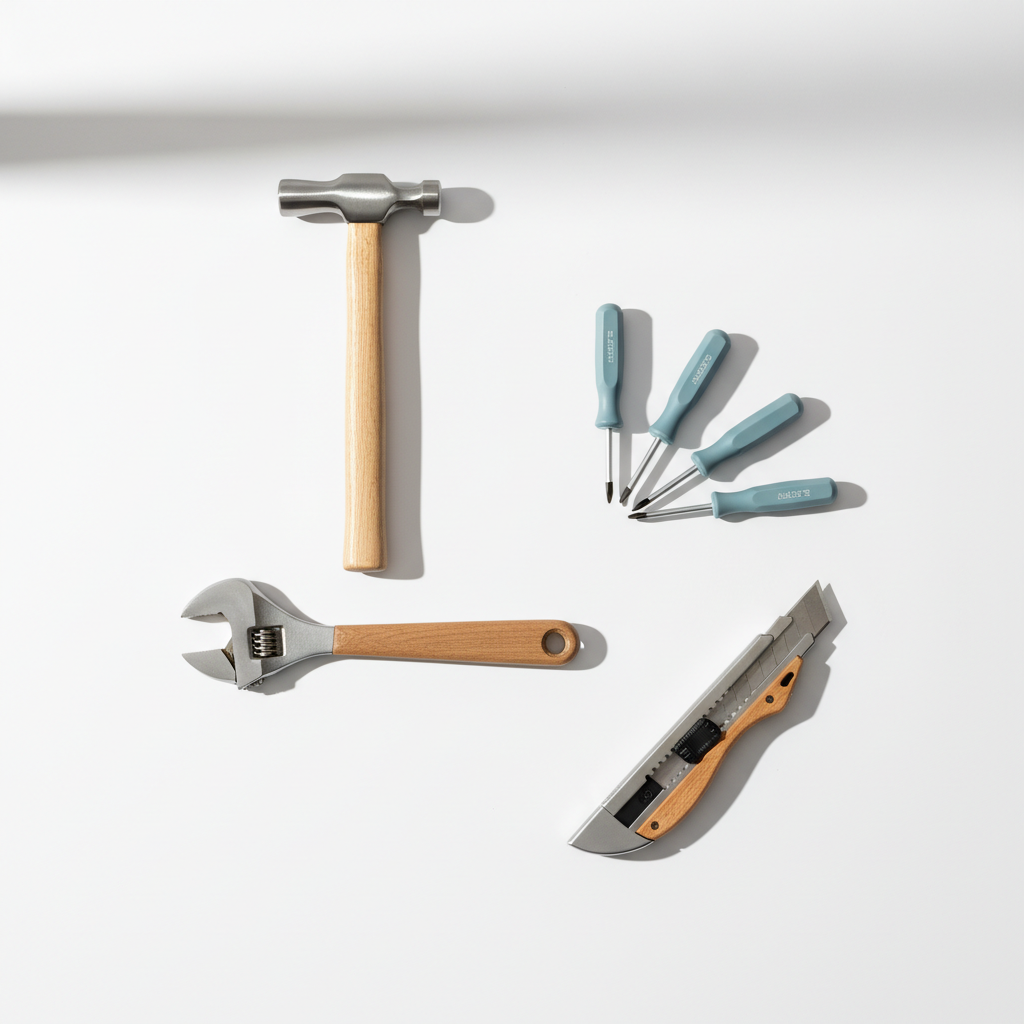
Daily Drivers | Hammers, screwdrivers, tape measures, utility knives | Primary workbench (Arm's reach) |
Project Specific | Power drills, circular saws, specialty automotive tools | Secondary storage (Drawers or lower shelves) |
Seasonal/Occasional | Snow shovels, pressure washers, lawn care gear | Tertiary storage (High shelves or rafters) |
Daily Drivers represent the essential tools for homeowners. These items should occupy the 'prime real estate' of your shop. If you find yourself frequently reaching for a specific pliers or a level, that tool belongs on a surface or wall directly in front of your workspace.
Many customers ask about the best way to store tools to maintain order over time. The answer is always rooted in proximity to the workbench. Project Specific tools, which are necessary for the heavy lifting but not every minor fix, should be stored just a step or two away. This keeps the immediate work surface clear of clutter while ensuring practical household essentials remain accessible.
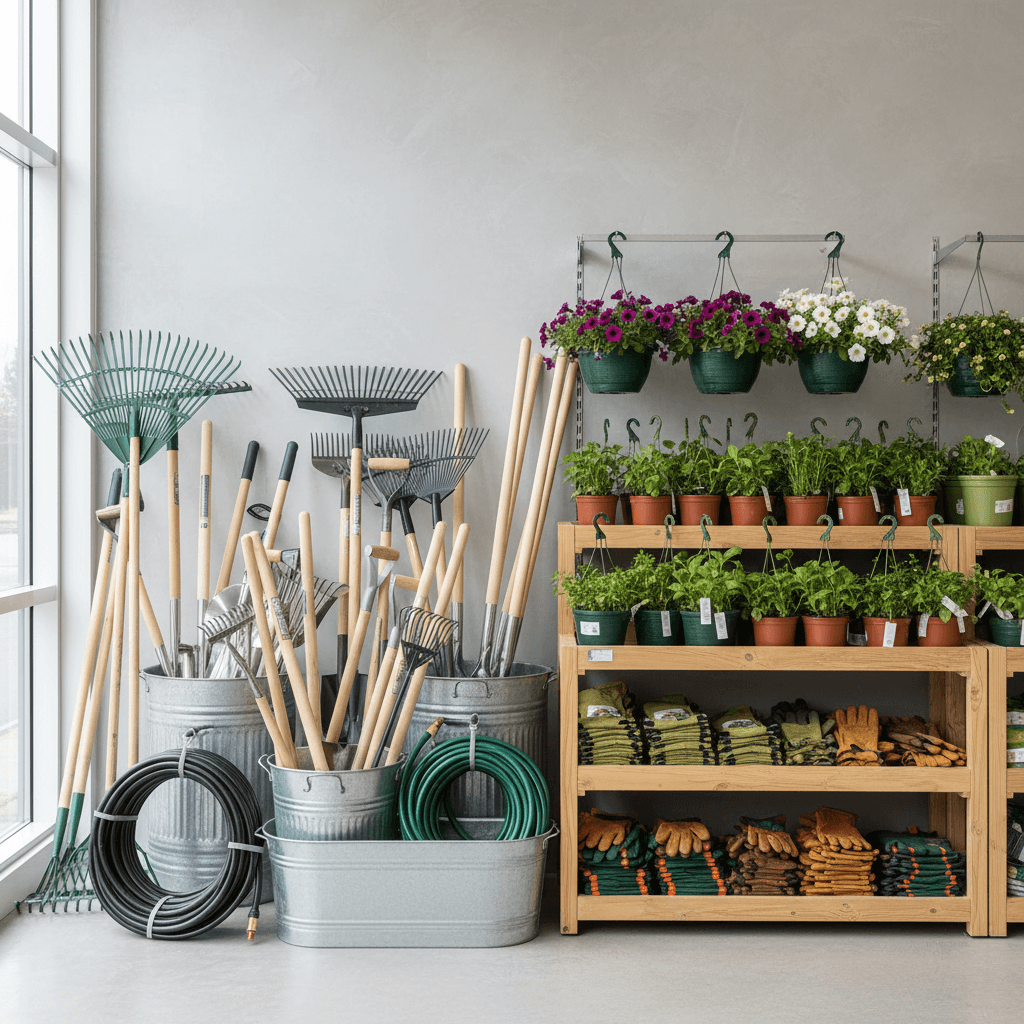
Seasonal and occasional items are the easiest to manage because they do not require immediate access. In a place like Ephraim, a snow shovel is a daily necessity in January but a nuisance in July. By moving these items to deep storage or high rafters during their off-season, you reclaim valuable floor space for the work at hand. This tiered approach prevents the garage from becoming a junk drawer and transforms it into a high-functioning workshop.
Vertical Garage Organization Ideas: Maximizing Wall Space for High Visibility
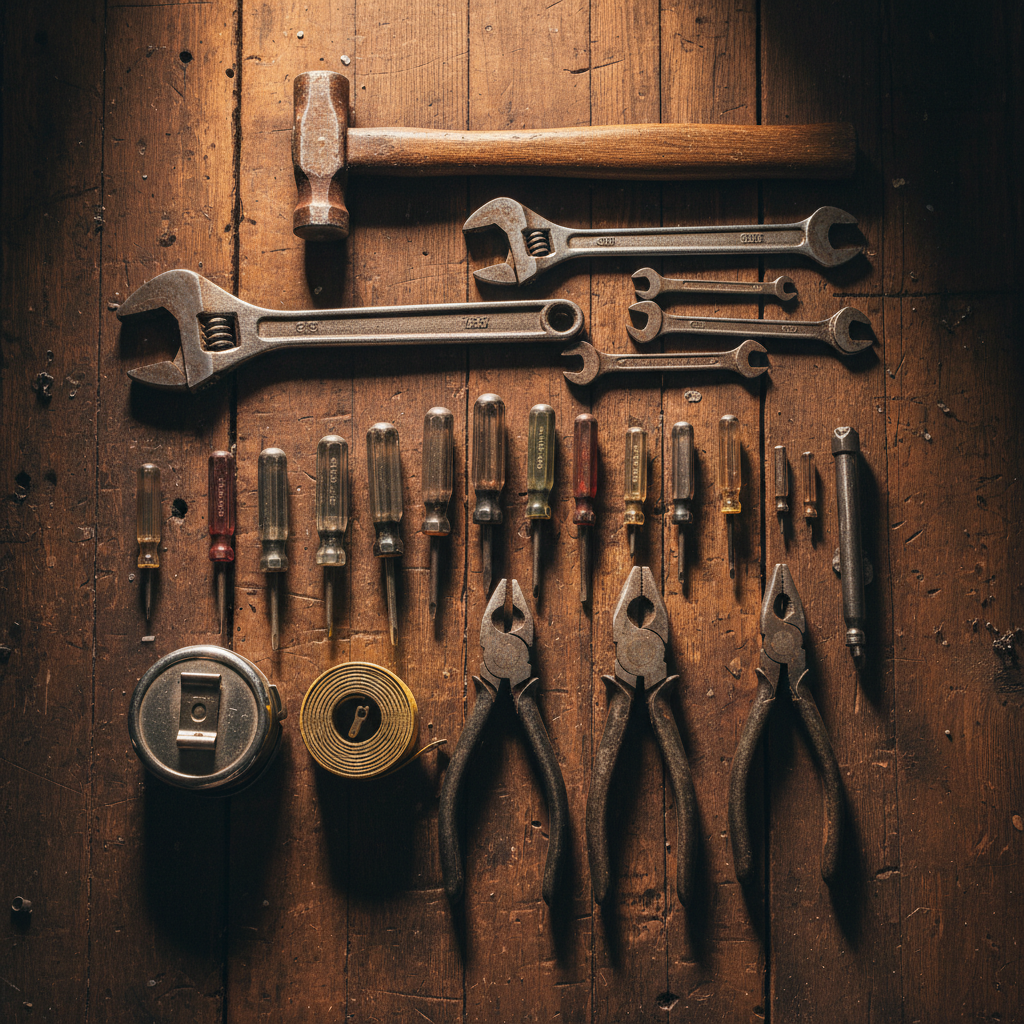
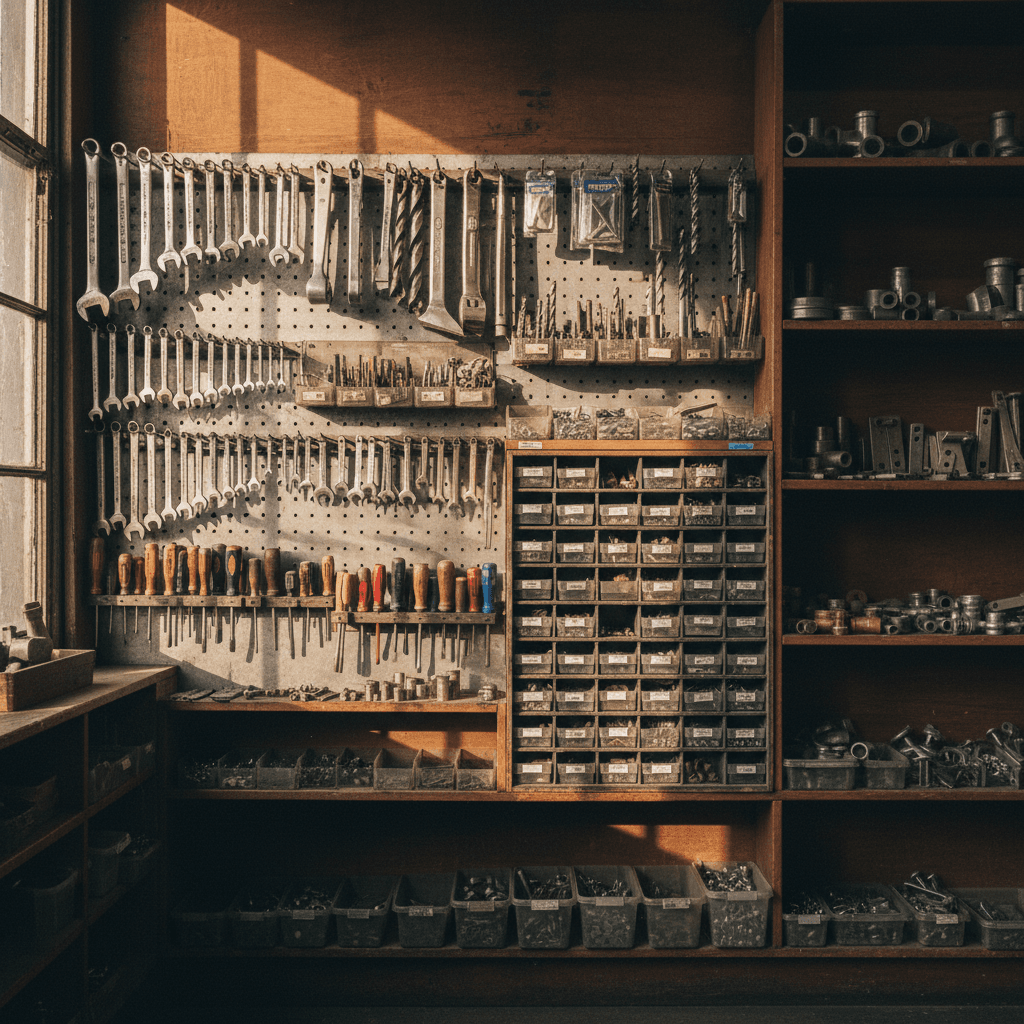
Vertical space is often the most underutilized asset in a garage, yet it is the most effective way to maintain visibility. Storing tools on the wall ensures that your quality tools and hardware are always in view, which directly prevents the repurchasing tax that occurs when you buy a second set of pliers simply because you could not find the first.
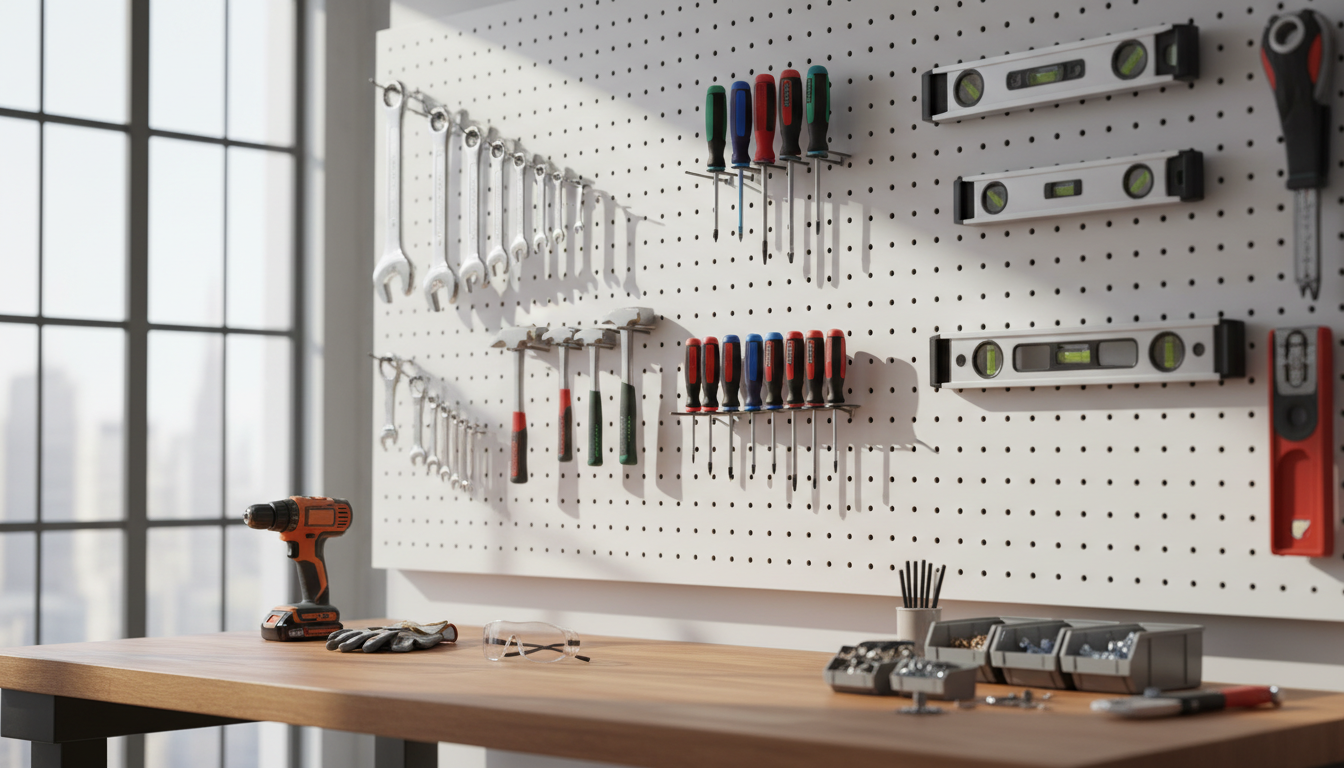
Magnetic strips offer a streamlined solution for metal hand tools like wrenches, screwdrivers, and hex keys. When installing these, skip the light-duty drywall anchors. Mount the strips directly into wall studs using long wood screws to handle the combined weight of the tools and the physical tension of pulling them away from the magnet. For non-metallic items, a classic pegboard remains a staple, but only if you use locking hooks. Standard hooks tend to pull out of the board along with the tool; choose varieties that feature plastic locking clips or secondary screw-in points to keep the hardware stationary.
To elevate your essential tools for homeowners from a simple collection to a professional system, implement a shadow board. Once your layout is finalized, use a permanent marker to trace the outline of each tool onto the pegboard. This provides an immediate visual cue if a tool has not been returned to its station. It eliminates the guesswork of cleanup and ensures every item has a dedicated, visible home that is easy to identify at a glance. By prioritizing high-visibility storage, you reduce the time spent searching and increase the time spent actually completing the task at hand.
DIY Workshop Storage: Building French Cleats and Custom Racks
While pegboards are effective for high visibility, they sometimes lack the weight capacity or customization required for heavy power tools. For a truly modular and robust approach, the French cleat system stands out among DIY workshop storage ideas. This method provides a budget-aware alternative to expensive retail slat walls by utilizing scrap 3/4-inch plywood rather than proprietary plastic or metal components.
The mechanics of the system are straightforward and highly efficient. By ripping a length of plywood down the center at a 45-degree angle, you create two interlocking pieces. Secure one half to your wall studs with the angled edge facing upward and away from the wall. The second half is attached to the back of custom tool racks with the angle facing down. Gravity and the interlocking bevels keep the rack locked in place. This system allows you to rearrange your entire shop layout in seconds without reaching for a drill; it is a sustainable choice for a growing collection of quality tools and hardware.
Customization is where French cleats outperform standard shelving. You can build specialized holders that retail systems simply do not offer. A dedicated cordless drill station, for example, can be constructed by cutting slots into a horizontal shelf to allow tool handles to slide in and hang securely. Screwdriver racks are easily fabricated by drilling graduated holes into a small block of wood. These specific solutions ensure that practical household essentials are not just stored, but organized for immediate retrieval based on their exact physical dimensions.
Building your own racks ensures that every inch of wall space is utilized effectively. If you add new essential tools for homeowners to your kit, you simply build a new cleat-backed bracket and slide it into the existing wall rail. This approach to garage organization ideas prioritizes the specific needs of your workflow over the arbitrary constraints of store-bought shelving, ensuring your workspace remains as adaptable as the projects you tackle.
Practical Storage for Small Garages and Workshops
When floor space is limited, the most effective small workshop storage ideas focus on making the shop footprint dynamic rather than fixed. In a tight garage, permanent workstations often become obstacles. Instead, prioritize mobility by mounting heavy stationary equipment, such as table saws or planers, on high quality locking casters. This setup allows you to roll a machine into the center of the room for a specific cut and tuck it back against a wall to clear the lane when finished. In a compact environment, every piece of quality tools and hardware must earn its square footage through constant utility or ease of movement.
Reclaiming dead space is the second half of the efficiency equation. The area directly above the garage door tracks is frequently overlooked but perfect for long term storage of lightweight items. By installing heavy duty overhead racks or simple wall mounted brackets in this zone, you can store cumbersome materials like PVC piping, molding strips, or practical household essentials that are not needed for daily tasks. Utilizing these higher elevations keeps your primary work zone clear of physical clutter. When your floor stays open and your equipment remains mobile, even a single car garage can function with the efficiency of a professional industrial bay.
Seasonal Rotation: Managing Gear in the Intermountain West
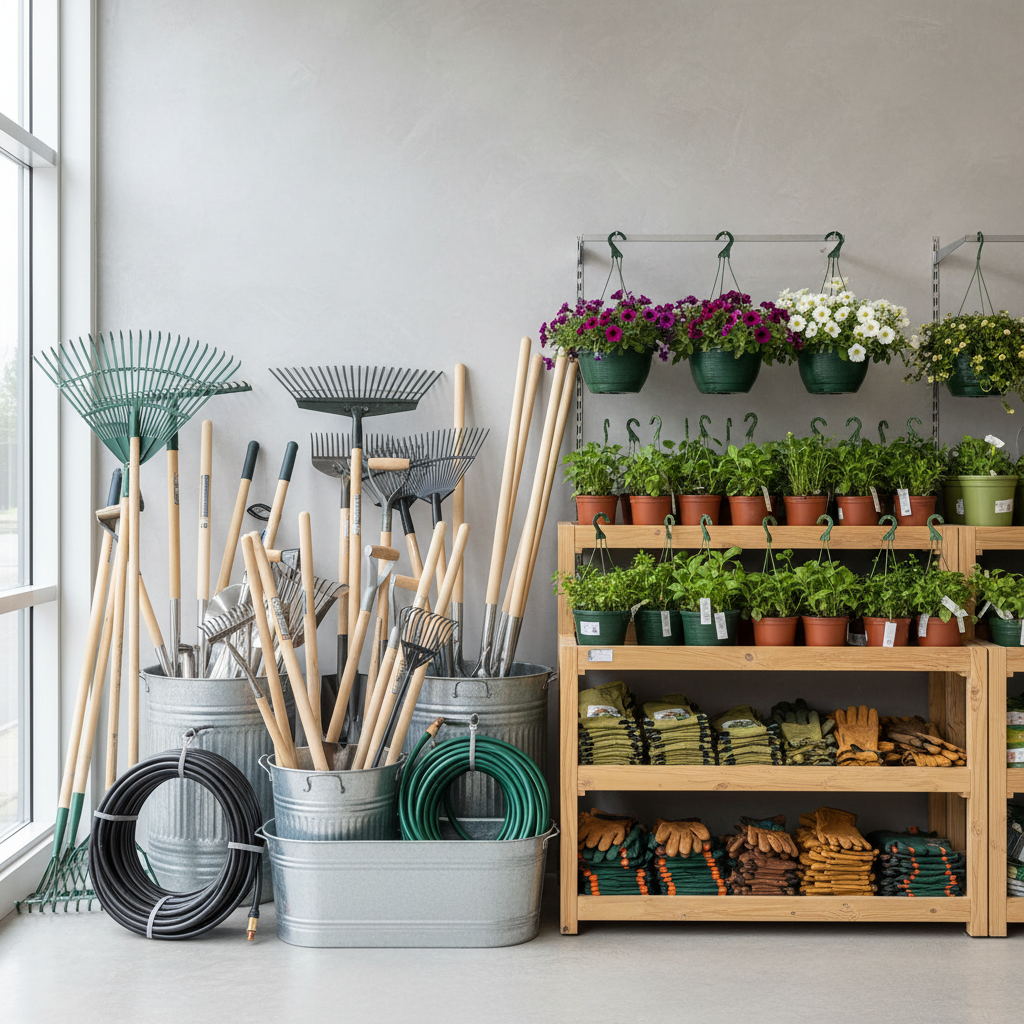
In the Intermountain West, garage utility is dictated by the weather. In Ephraim, the transition between gardening season and snow removal is often abrupt. To maintain an efficient workflow, you must treat your floor space as a rotating inventory. In late October, move snowblowers and heavy duty shovels from deep storage to the area closest to the garage door. This ensures you are not fighting past lawnmowers and seed spreaders during a 5:00 AM storm.
When spring arrives, move these heavy winter implements to the dead zone at the back of the shop or under a sturdy workbench. For quality tools and hardware like ice scrapers or salt spreaders, use a dedicated seasonal bin that moves from eye level shelving to the highest rafters as the temperature rises. This rotation keeps essential tools for homeowners accessible when they are life saving and out of the way when they are obstacles.
Season | Front of House Gear | Deep Storage Gear |
|---|---|---|
Winter | Snowblowers, shovels, ice melt, heaters | Lawnmowers, trimmers, garden hoses |
Summer | Mowers, rakes, irrigation supplies | Snow removal gear, heavy winter coats |
By scheduling a biannual audit of your practical household essentials, you prevent the seasonal creep that leads to cluttered walkways. These localized garage organization ideas ensure that your workspace remains functional twelve months a year, regardless of what the Sanpete Valley weather brings.