To learn how to prepare your home for winter, you should seal air leaks around windows, insulate exposed pipes, and schedule a professional furnace inspection. Additionally, cleaning out gutters and testing carbon monoxide detectors will help ensure your property remains safe and energy efficient during freezing temperatures.
The first bite of winter air is rarely just a seasonal shift; it is often the sound of your heating system laboring against invisible drafts and the threat of rising utility costs. For many homeowners, the transition to colder months brings the anxiety of potential plumbing failures or structural vulnerabilities that can lead to expensive repairs. Maintaining the integrity of your property requires more than just turning up the thermostat; it demands a calculated strategy to fortify your living space against the elements. In this guide, we provide a sophisticated, practical roadmap for winterization. You will learn how to identify and seal air leaks, protect your plumbing from freezing temperatures, and maximize heating efficiency through simple adjustments. From gutter maintenance to safety checklists for your family and pets, these expert steps ensure your home remains a secure, efficient sanctuary all season long.
The High-Impact First Steps: Sealing Drafts and Air Leaks
Understanding how to prepare your home for winter starts with identifying where you are losing money. Most high utility bills in Utah result from heat escaping through small, unnoticed gaps rather than a failing furnace. At Anderson Shops, we prioritize high-value, functional repairs that offer the fastest return on investment. Addressing these air leaks first is the most efficient way to manage your home maintenance budget.
Sealing these leaks is a straightforward DIY task using everyday essentials like weather stripping, door sweeps, and silicone caulk, which are among the essential tools every homeowner should own for seasonal maintenance. Applying V-strip or foam weather stripping to door frames creates a tight seal that stops cold air from rushing in. For the bottom of external doors, a heavy-duty door sweep is a necessary barrier against the biting wind. When it comes to windows, a simple bead of silicone caulk around the interior or exterior frames can shut down drafts that standard glass alone cannot stop.
Identifying the exact location of a draft can be difficult by touch alone. A professional trick involves lighting an incense stick and slowly moving it along baseboards, window sills, and even electrical outlets on exterior walls. If the smoke wavers or blows horizontally, you have found a leak that needs sealing. These materials are inexpensive, but their ability to lower your electric bill is immediate. Focusing on these high-impact first steps ensures your home remains comfortable without requiring a major renovation budget.
Essential Plumbing Protection: How to Winterize Your Water Pipes
Once the air leaks are sealed, the next priority in learning how to prepare your home for winter is protecting your plumbing. A frozen pipe that bursts can cause thousands of dollars in water damage, making prevention one of the most cost-effective tasks on your list. Focus your efforts on pipes located in unheated areas such as crawl spaces, attics, and exterior walls. These areas are most vulnerable when temperatures drop, yet they are often overlooked during routine maintenance.
Applying foam pipe insulation is a simple, effective way to shield these lines. You can find these materials among our everyday essentials designed for home maintenance. Measure the diameter of your pipes and purchase pre-slit foam tubes that match. These tubes slide directly over the pipe and can be secured with zip ties or duct tape. This layer of insulation slows the transfer of heat, keeping the water inside above the freezing point during typical cold snaps. Having these supplies ready is part of the essential tools every homeowner should own mentality; proactive insulation prevents expensive emergency repairs.
Outdoor faucets require specific attention because they are directly exposed to Utah’s sub-zero temperatures. First, locate the internal shut-off valve for the outdoor line and turn it to the off position. Next, go outside and open the faucet to drain any remaining water from the pipe. If water stays trapped, it will expand as it freezes and rupture the line inside your wall. Once drained, install an insulated faucet cover. These foam domes provide a dead-air space that keeps the faucet body warmer than the outside air.
During periods of extreme, sustained cold, you may need to employ the dripping faucet strategy. It is a common misconception that the movement of the water prevents freezing; in reality, a slow drip relieves the pressure that builds up between a potential ice blockage and the faucet. This pressure, not the ice itself, is what typically causes pipes to burst. To keep your system safe, never set your thermostat lower than 55 degrees Fahrenheit, even when you are away from home. Maintaining this baseline temperature ensures that the air in your wall cavities stays warm enough to prevent the plumbing from reaching the critical freezing point.
Maximizing Heating Efficiency with Simple DIY Adjustments
Once you have secured your plumbing, the next step in learning how to prepare your home for winter involves optimizing the equipment you already have. You do not always need a professional service call to improve your heating efficiency; simple adjustments to airflow can significantly reduce the strain on your system.
Start by replacing your furnace air filter. A clogged filter restricts airflow, forcing the blower motor to work harder and consume more electricity. This is one of the most basic everyday essentials for home maintenance that directly impacts your furnace's lifespan. Beyond the furnace, check your ceiling fans. Most models feature a toggle switch on the motor housing. By reversing the blades to rotate clockwise at a low speed, you create an updraft that pushes warm air trapped at the ceiling back down into the room.
Ensure that floor vents are not obstructed by furniture, rugs, or curtains, as blocked vents prevent heat from circulating effectively. For consistent management, maintain a temperature of 68 to 72 degrees while you are home. If you are away, never drop the setting below 55 degrees. A basic programmable thermostat is a high-value tool that automates these shifts, helping you lower your electric bill without sacrificing comfort. These small, mechanical adjustments ensure your home stays warm while keeping your operating costs manageable throughout the season.
External Maintenance: Gutters, Roofs, and Yard Prep
Exterior maintenance is just as critical as interior efficiency when determining how to prepare your home for winter. In Utah, snow load and ice accumulation are primary concerns that can lead to structural damage if ignored. Cleaning your gutters before the first hard freeze is the most effective way to prevent ice dams. When gutters are clogged with autumn leaves, they trap melting snow. This trapped water refreezes at the roof edge, creating a dam that forces moisture upward and under your shingles. This process can cause significant leaks and wood rot that are difficult and expensive to repair mid-season.
Outdoor water management also requires a final walkthrough. Disconnecting garden hoses is a simple but vital task. Even if you have installed faucet covers, a hose left attached to an outdoor spigot traps water in the faucet body and the pipe leading into the house. As this water freezes, it creates intense pressure that can rupture the line inside your wall. Ensure all hoses are drained, coiled, and stored in a shed or garage to prolong their life.
Finally, audit your snow removal equipment before the first storm hits. Check the condition of your shovels; a cracked blade or a loose handle makes clearing a heavy Ephraim snowfall much harder. If your current gear is worn out, look for high-value replacements among the everyday essentials at your local shop. Stocking up on ice melt or traction sand now ensures you are ready for the first freeze. These are essential tools every homeowner should own to maintain a safe, accessible property throughout the coldest months.
The Winter Safety Checklist: People, Pets, Pipes, and Plants
Preparing for a Utah winter requires more than just protecting the structure of your house; it requires a functional plan for those living inside it. Emergency management professionals often refer to the Four Ps of winter safety: People, Pets, Pipes, and Plants. Ensure that family members have reliable cold-weather gear and that neighbors, especially the elderly, are checked on during heavy storms. Pets should be brought indoors or provided with insulated shelter, as their tolerance for freezing temperatures is limited. While pipes and plants were addressed during your external walk-through, double-check that sensitive vegetation is moved to a garage or basement before the first hard frost.
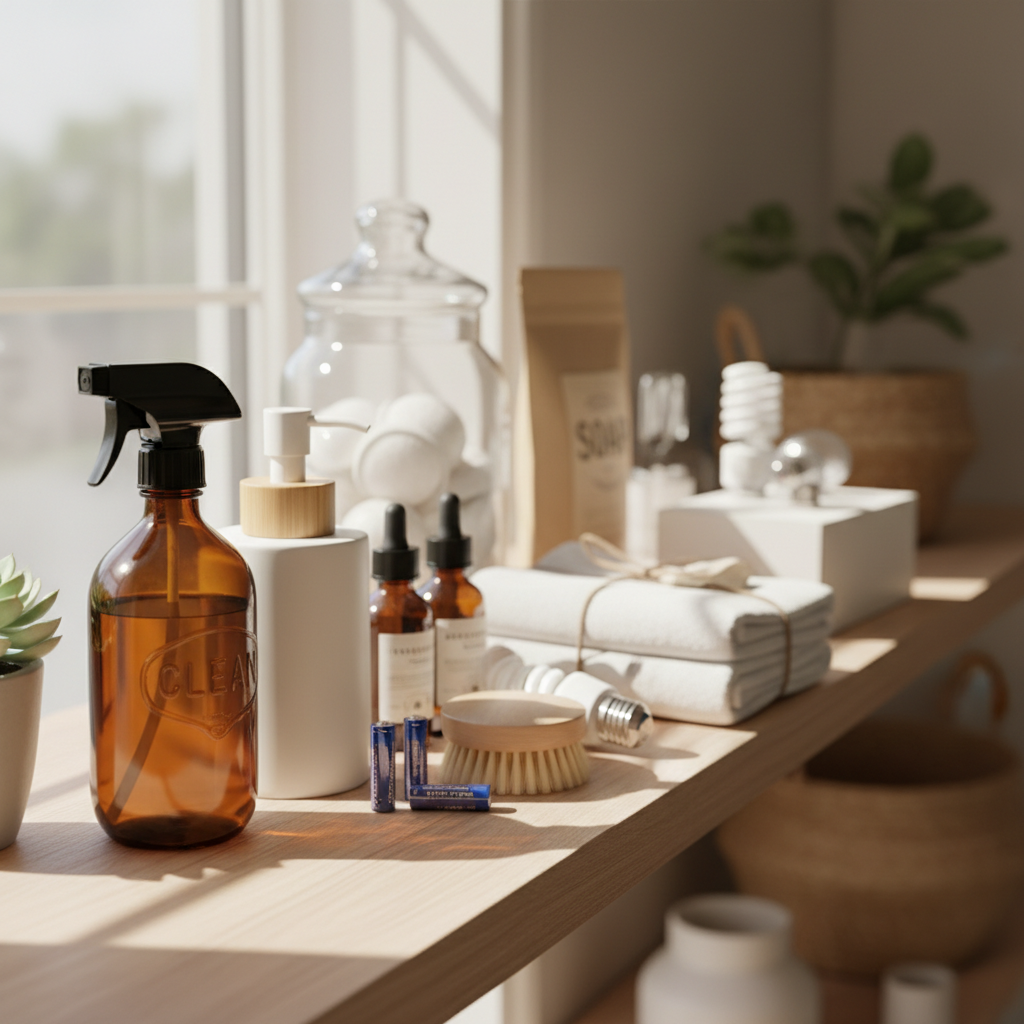
Indoor air safety becomes a primary concern as you begin using your furnace or wood stove more frequently. Test your smoke and carbon monoxide detectors to ensure they are functioning correctly; replace batteries if you cannot remember the last time they were swapped. This is also the time to assemble or refresh a 72-hour emergency kit. Focus on everyday essentials like fresh batteries, high-lumen flashlights, and a manual can opener. Having these essential tools every homeowner should own stored in a central, accessible location ensures that even during a multi-day power outage, your household remains functional and safe.
Winterizing a Vacant Home or Vacation Property
Leaving a property unattended during a Utah winter introduces unique risks that go beyond standard seasonal prep. If you are heading south for the season or leaving a vacation rental empty, learning how to prepare your home for winter requires a more rigorous approach to utility management.
The most critical step involves the water system. Shut off the main water valve completely and open all faucets to drain the remaining water from the lines. Flushing the toilets to empty the tanks is essential, but you must also address the plumbing traps. Pour a small amount of non-toxic antifreeze into sink drains and toilet bowls to prevent the water remaining in the P-traps from freezing and cracking the porcelain. These specialty fluids are part of the everyday essentials needed for long term property protection.
Energy management is equally vital for a vacant home. Set your thermostat to a consistent 55 degrees Fahrenheit. This maintains enough warmth to protect the interior structure while helping to lower your electric bill. Finally, walk through every room and unplug non-essential electronics. This prevents phantom power draw and eliminates the risk of fire from electrical surges during heavy winter storms. Implementing these protocols is just as vital as having the essential tools every homeowner should own for active residency.
Practical Tools for the Job: A Winterization Shopping List
Executing a successful plan for how to prepare your home for winter requires a toolkit built for durability. Investing in quality gear ensures these everyday essentials remain useful for many seasons, reflecting a focus on long-term value over temporary fixes. Organize your supplies into two functional categories to ensure you have everything needed for a thorough winterization:
Category | Recommended Items |
|---|---|
Maintenance | Silicone caulk, V-strip weather stripping, door sweeps, MERV-rated furnace filters, and foam pipe insulation. |
Safety & Emergency | Fresh batteries, high-lumen headlamps, smoke/CO detectors, heavy-duty snow shovels, and traction sand or ice melt. |
Keeping these essential tools every homeowner should own on hand prevents emergency trips during heavy Utah snowstorms. These practical items provide the most direct way to lower your electric bill while ensuring your property remains safe and functional throughout the coldest months.